

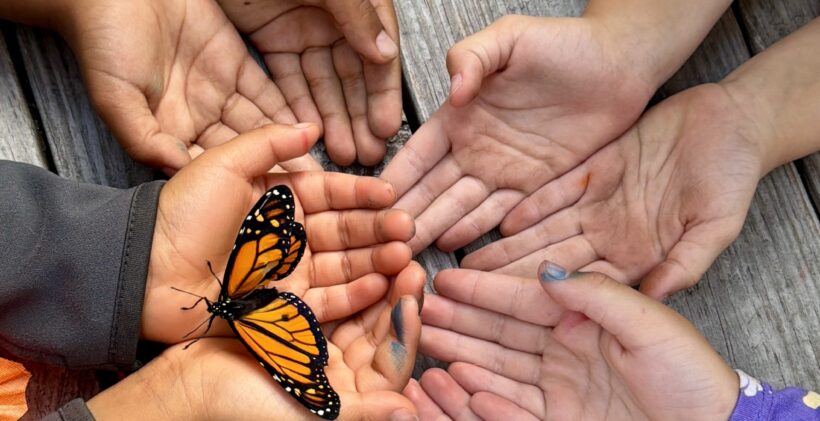
The Gift of the Unhurried Heart: Living Fully in the Present
“Why, you do not even know what will happen tomorrow. What is your life? You are a mist that appears for a little while and then vanishes.” — James 4:14
As you know, FCA’s theme for the year is SPEAK, and October’s focus word is patience. Many people struggle with the concept of patience because it is hard to wait quietly when our minds and lives are constantly moving.
When I was asked to present a short devotional for a group of ladies at my church, my first thought was to talk about friendship. But while friendship is vital, I found myself drawn to something deeper—a skill I am actively trying to cultivate in my own life and one I often discuss in my work as a guidance counselor: the art of being patient with the present moment.
In my professional work with students, I constantly see how anxiety about the future or regrets about the past pull us out of today. But this isn’t just a challenge for young people; it’s a universal human struggle. How often do we find ourselves physically present, but mentally absent?
Think about a typical day. How often are we absorbed in our devices, trying to multitask through a continuous stream of notifications, emails, and obligations? We find ourselves preparing dinner, helping with homework, and listening to our spouses or family members tell us about their day—all at the exact same time. We are physically in the room, but our minds are scattered across a hum of digital noise, daily chores, and the heavy anxieties of this world.
Living in the moment doesn’t mean discarding technology or abandoning our responsibilities. Rather, it requires patience—with ourselves, with others, and with God’s timeline. It is about reclaiming our focus and rediscovering the richness God has granted us in each passing moment.
To cultivate this kind of patient presence, we have to intentionally set boundaries:
Practice Patient Single-Tasking: In our society, we often speak about the value of mindfulness—the practice of gently bringing our awareness back to the present moment. Instead of rushing to do everything at once, we can cultivate patience by doing one thing at a time. Anchor yourself in your senses: feel the warmth of the sun, savor your meal, or actively listen to a friend without preparing your response while they speak.
Set Intentional Digital Boundaries:Disconnecting from digital noise requires patience—a lot of patience and self-control. Designate specific times for checking email or social media, and then step away so you can fully engage with the people right in front of you.
Living in the moment also requires us to embrace the brevity of life. Life moves swiftly, and every experience is fleeting. You will never get this exact moment back again. James reminds us that our earthly lives are like a mist that appears for a little while and then vanishes. Recognizing this truth isn’t meant to cause distress; it’s an invitation to hold today with gentle, patient gratitude—whether that means enjoying a shared laugh, watching a toddler play, or taking a quiet walk.
Choosing to be present is rarely easy. It demands a conscious effort and steady patience in God and with our circumstances.
It would be very easy for me to be mentally absent in the days leading up to my chemotherapy treatments. My mind naturally wants to rush ahead to dread what is coming rather than resting in my current space. You, too, may be carrying heavy worries or dreading the upcoming workweek, letting those thoughts steal your present peace.
Yet, when we give ourselves permission to slow down and wait on God in the current hour, the rewards are profound. We experience deeper connections in our relationships, lower stress, greater emotional clarity, and—most importantly—a quieter, more patient heart that can truly hear God in prayer and Scripture.
As we move forward, let’s challenge ourselves to slow down, practice patience with our journey, and show up fully where we are. Life is happening right now. Let’s make the most of every moment God gives us.